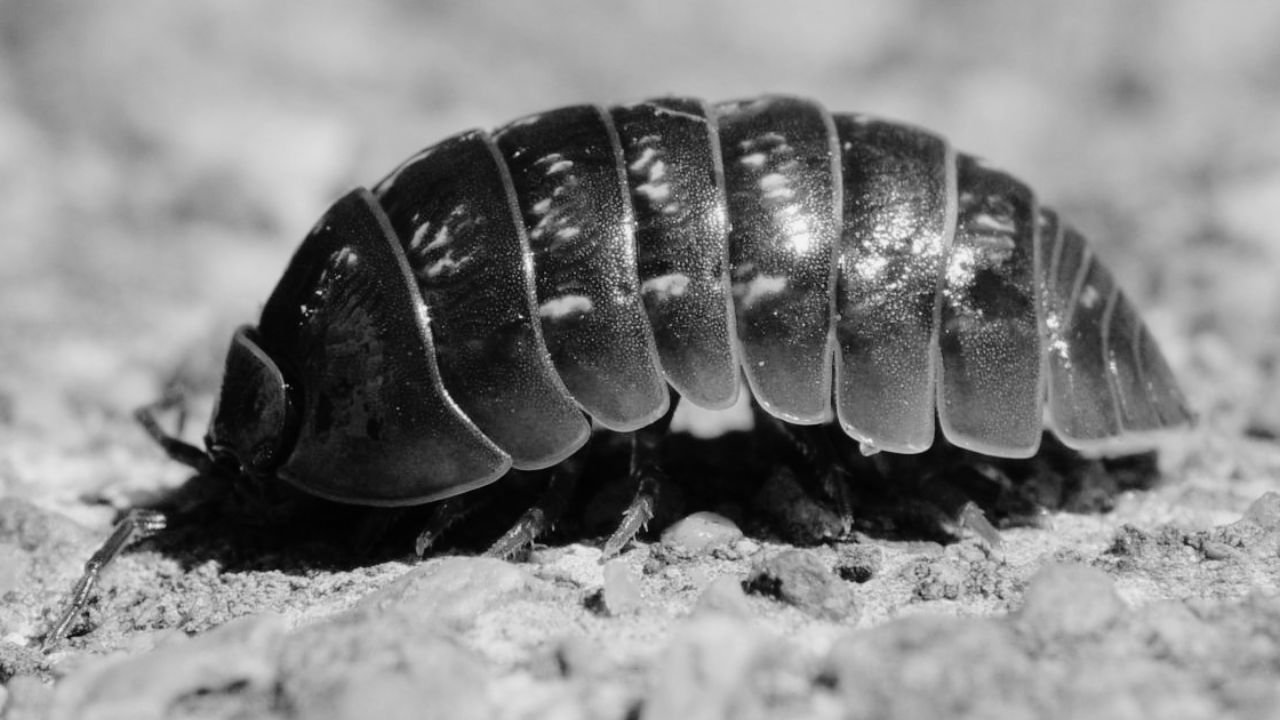
If you spend any time turning over garden rocks or digging through damp soil, you’ve probably met a roly poly. Some folks call them pill bugs. Others might know them as woodlice. But no matter what term you use, these tiny, armored crustaceans are a common sight in backyards, parks, and even city green spaces.
Yet, recently, you might have heard people ask if roly polies are going extinct. Maybe you’ve noticed fewer in your area, or maybe you read something online that hinted at trouble for these critters. Here’s what’s actually going on—and why roly polies probably aren’t leaving us any time soon.
What Are Roly Polies, Really?
Let’s keep it simple: roly polies are not insects, even though you’ll usually find them crawling alongside ants and beetles. They’re actually land-dwelling crustaceans, more closely related to shrimp and crabs than to bugs.
They’ve got a classic look: an oval, segmented body that can curl up into a tight ball if threatened. That “roll up” trick is where the nickname “roly poly” comes from. Technically, scientists call them Armadillidiidae, but you don’t need to remember that at your next picnic.
Why Roly Polies Matter in Nature
You can think of roly polies as clean-up crews for nature. Their main job is to eat dead leaves, decaying wood, and old plant bits that pile up on the ground. By chewing through all that stuff, they help turn it into soil nutrients.
This process isn’t just about tidiness. It keeps nutrients flowing for plants and animals further up the food chain. Without critters like roly polies, fallen leaves and dead plant parts would pile up, slowing down life as we know it in gardens, forests, and meadows.
They also play a role in carbon cycling. That just means they help lock away carbon in soil—which is good news if you care about climate change. Healthier soil also helps plants grab more carbon dioxide from the air.
3,000+ Species, All Over the World
Here’s something most people don’t realize: there are more than 3,000 known species of pill bugs and their close relatives. Some are very small, only a few millimeters long. Others reach the size of a jellybean.
They’re found almost everywhere with a hint of dampness. North America is packed with them. You’ll find roly polies in Europe, Asia, South America, Africa, Australia—the list goes on. They’ve even hitchhiked their way to islands far from the mainland thanks to soil shipments and nursery plants.
This diversity is part of why it’s tough for the entire group to run into serious trouble all at once. While some species have very specific needs, many are generalists. They can adapt pretty easily as long as things don’t get too dry.
Are Roly Polies Disappearing from Your Yard?
Maybe you’re seeing fewer of them in your garden beds or flowerpots. But just because there aren’t many in one spot doesn’t mean the entire species is in trouble. It turns out, most roly polies are doing just fine, on a global level.
But there is a catch: certain species have faced problems in specific places. Take southern California, for example. In the last few decades, two types of isopods (which are close relatives of the classic roly poly) nearly vanished from local beaches, missing from more than 60% of the spots where they used to live.
So what happened? For California’s beach isopods, it was mostly about shrinking habitats. New construction, pollution, and human activity squeezed them out. That isn’t the same as a worldwide extinction—but it’s still a local concern.
Why Certain Spots Lose Their Roly Polies
While roly polies aren’t rare as a group, some small populations can suffer. Usually, it’s connected to a handful of things.
First is habitat loss. When woods or grassy fields are paved over, or wetlands are drained, roly polies lose their preferred homes. They love moist, shaded places with plenty of decomposing material. So if an area dries up or is stripped bare, they struggle to survive.
Pollution also hits hard. Chemicals in soil can mess with their delicate gills—called pleopods—that they use to breathe. Since they don’t have lungs, pill bugs rely on water in soil and air to get the oxygen they need. Harsh conditions can wipe out colonies that have been around for generations.
Climate change is starting to have an impact, too. Droughts can dry up the cool, damp hides they need. Fires and floods can destroy entire populations overnight. Still, species that are widespread are usually able to bounce back when good conditions return.
How Do Roly Polies Survive?
Unlike some insects, pill bugs don’t stray far from moisture. That’s why you always find them under rotting logs, rocks, or mulch. They avoid the sun during the day and come out more at night, when the air is cool and damp.
This simple strategy helps them survive outside. If the weather turns ugly, or if their log is moved, they might die in that specific spot. But elsewhere, others are usually doing fine. It’s tough to wipe out all the roly polies in a whole region, let alone across the world.
Some types of pill bugs are so hardy that they’ve spread beyond their native areas and pushed out more sensitive local species. Gardeners sometimes find invasive pill bugs competing with the native ones, which can harm the old-timers. Even so, most of the common species stick around and seem to ride out changes pretty well.
Pill Bugs’ Impact on Our Lives
You might ask: does it matter if my local roly polies disappear? Actually, yes. They’re more than just bug curiosities or helpers for your compost pile.
Their droppings enrich the soil. This gives vegetables and flowers a little extra nutrition. Even plants in pots benefit when a pill bug or two helps tidy up decaying roots.
In nature, they’re food for snakes, birds, spiders, and many small mammals. Without them, other animals lose a quick, nutritious snack. If whole populations dropped out of an area, it might seem minor at first—but some parts of nature’s web would get a bit weaker.
Their behavior is interesting, too. Kids love watching them curl up. Researchers even use roly polies as “bioindicators,” checking to see if places are polluted based on how pill bugs are doing there. If they vanish, it’s a warning sign that something’s off underground.
What Are The Real Threats?
So, are pill bugs bulletproof? Not really.
Land development, heavy use of pesticides, and climate shifts keep certain species on edge. But remember, out of thousands of species, just a few are running into real trouble at any given time.
Cities bring new challenges. When gardens disappear or green spaces get smaller, roly polies don’t have as many places to go. Some end up inside homes — you might have seen them wandering across your basement floor after a rain.
Invasive species and even well-intentioned people can move soil or plants around, bringing pill bugs to places where they never lived before. This isn’t always great for native pill bug species, who might not be able to compete with the hardy newcomers.
How Are Roly Polies Managed?
Compared to most reptiles, birds, or even bees, pill bugs don’t show up very often on conservation lists. That’s mostly because their numbers are strong in most habitats.
For species living only in tiny areas, biologists sometimes keep a closer eye on things. Protecting shady, moist environments—like forests, grasslands, and even urban parks—helps all insect and isopod populations. Soil health is a big part of that.
Some gardeners worry about too many pill bugs eating their seedlings, but that’s more a sign of balance being off in your garden than a problem with the bugs themselves. As odd as it sounds, if you’re seeing tons of them, your soil is likely rich and productive.
There’s no major international effort to protect roly polies right now. But groups focused on soil and habitat conservation do help. If you’re interested, you’ll find resources at places like your local extension service or business and science news sites such as My Business Nest.
So, Are Roly Polies Going Extinct?
The big answer, after all that, is no—roly polies are not going extinct. Globally, they’re doing well. Their numbers are stable or growing in many spots, and most common species show no signs of trouble.
That doesn’t mean every population is safe. In a few spots, especially along coastlines or in cities with new construction and pollution, individual species have taken big hits. Scientists are watching those cases closely, since they can be early hints that something’s off with local land and water.
But for now, if you flip over a log or check under your flowerpot, you’re still likely to find a busy group of pill bugs getting their work done. They’re the quiet, steady workers making sure nature’s recycling process keeps humming along.
So, the next time someone asks if roly polies are vanishing from the earth, you can tell them: not even close. They’re out there, working hard—and most of us barely notice they’re even around. That’s the real story.
Also Read: