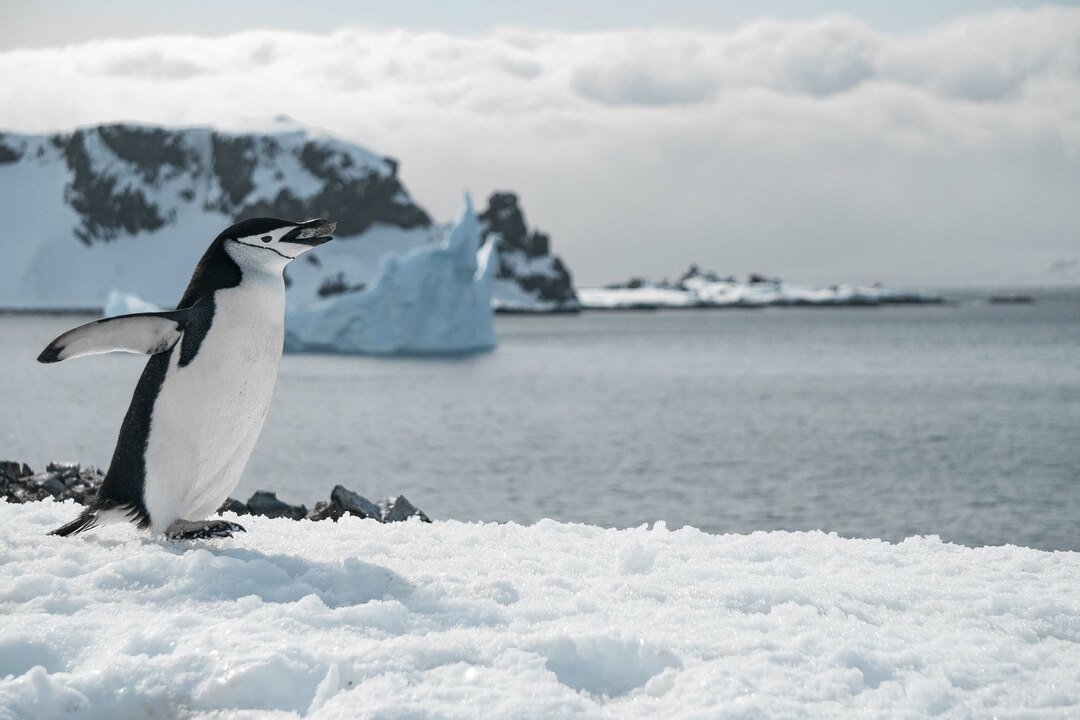
If you’ve ever pictured penguins waddling around the snowy coastlines of Alaska, you’re definitely not alone. Lots of people associate penguins with ice, snow, and cold places, so it makes sense. But the truth is, penguins do not naturally live anywhere in Alaska. That might sound surprising, and there are actually some interesting reasons behind it.
Let’s walk through where penguins actually live, why Alaska isn’t the right place for them, and a bit about how they sometimes end up in the state anyway. We’ll also give you the scoop on where you can see them—just not outdoors.
So, Where Do Penguins Really Live?
Penguins have become famous as the birds of the south. Nearly every wild species of penguin is found in the Southern Hemisphere. This means places like Antarctica, the southern tips of South America and Africa, New Zealand, even Australia. These are all south of the equator.
The idea of penguins roaming the North Pole alongside polar bears is a mix-up we see a lot. Actually, penguins and polar bears have never met in the wild. You’ll never find penguins naturally nesting anywhere in the Arctic or in Alaska. The farthest north you’ll spot a wild penguin is on the Galápagos Islands, right at the equator, but still south of Alaska by thousands of miles.
The Galápagos Penguin: A Penguin in the Heat?
It’s worth talking a little more about the Galápagos penguin, because they’re a fun exception. These little birds live near the equator on the Galápagos Islands, which belongs to Ecuador. Most people imagine penguins only tolerate cold, but these guys have evolved for mild, breezy tropical climates. Even then, they’re still far south compared to Alaska.
The Galápagos penguin manages because a cold ocean current from the Antarctic keeps that area surprisingly chilly for the tropics. So, they’ve got access to cold water and the right kind of seafood, even though the air is warm.
Put simply, there’s never been a wild penguin species further north than this. No penguin species has ever been native to North America’s Arctic regions, or to Alaska.
Penguin Habitats vs. Alaska’s Environment
Penguins aren’t just about snow and ice. Their survival depends on specific ocean conditions. In the southern oceans, the frigid waters are packed with rich nutrients, krill, and small fish—all key parts of the penguin diet.
If you look at Alaska, it has frigid weather most of the year and plenty of icy terrain. But the oceans there are quite different than what penguins need. Alaska sits in the northern Pacific Ocean, a place shaped by different ocean currents. Its waters don’t have the same kind of krill swarms found around Antarctica. Even the fish varieties in Alaska’s seas aren’t the best fit for most penguin diets.
It’s not only about food either. The Southern Hemisphere’s islands and coastlines provide isolated, predator-free spots for penguins to breed and raise chicks. Alaska has its own set of predators—not just in the water, but also on land.
Think of animals like the polar bear, Arctic fox, sea otters, and large birds of prey. Penguins in Alaska would be easy pickings. In their natural environments down south, penguins don’t have to worry about polar bears at all.
Climate, Seasons, and Survival Challenges
Because Alaskan winters are long and brutal, you might wonder why penguins couldn’t handle it. Well, penguins are tough, but they’re wired for different routines. Their breeding cycles and food supplies are matched perfectly to conditions in the Southern Hemisphere.
The ocean currents are a big deal. In the Antarctic and sub-Antarctic, freezing upwellings bring in waves of fish and plankton, which attract krill by the billions. Penguins depend on this seasonal buffet to feed their chicks and build energy reserves.
In Alaska, the water is cold, yes—but not the same kind of cold, and not with the same rewards. The patterns are just too different. And since penguins don’t migrate between worlds, they have no natural instinct to move north.
Have Penguins Ever Turned Up in Alaska?
You might hear the occasional wild story of a penguin appearing in Alaska. It does happen from time to time, though it’s extremely rare.
So, what’s really going on? Almost every reported case involved humans moving penguins—not penguins wandering there on their own. Sometimes a fisherman or sailor will bring a penguin along from southern waters, perhaps as a pet or a curiosity. In a few cases, a penguin was released, either by accident or on purpose.
Then, there are occasional reports from decades ago of penguins on ships or even at ports, often traced back to zoos, aquariums, or traveling animal shows. There has never been a case of penguins swimming—or drifting—up from the Southern Hemisphere to Alaska.
The Problems for Penguins in the Far North
Penguins accidentally dropped off in Alaska face big problems. For one, they’re not familiar with the ocean currents or how to find food there. Alaska’s sea life is different, and penguins could struggle just to get a meal.
Second, the land predators are totally new to them. In their home habitats, most penguin species nest in places with hardly any land hunters. Chickens, gulls, ravens, or foxes might see a penguin chick as an easy snack. Even fully grown penguins would have a tough time fighting off larger animals.
And let’s not forget: Alaska’s coastlines and islands aren’t set up for penguins. The mix of rocky beaches, thick forests, and shifting sea ice leaves very few places for a penguin to safely nest or hide.
Since penguins are highly social and breed in colonies, a single stray bird would just have no chance of starting a flock. That’s partly why there’s zero evidence of penguin colonies ever forming in Alaska—even hundreds of years ago.
Anyone Ever Try Introducing Penguins to Alaska?
There’s no record of any official attempt to introduce penguins to Alaskan wilderness. Scientists understand quite well that penguins and Alaska’s ecosystem simply don’t fit together.
Historical records and research from the last century confirm that penguin introductions to non-native environments almost never work. The same is true in zoos. Penguins need specialized diets and carefully regulated surroundings, even in captivity.
Want to See Penguins in Alaska? There’s a Way
Now, if you’re in Alaska and you really want to see a penguin, you do have a couple options. A few zoos and aquariums in the United States, and occasionally within Alaska itself, house tame penguin populations for education and conservation.
For example, if you visit the Alaska Zoo in Anchorage, you might get a chance to see penguins up close. These are typically species that are comfortable in milder climates, like the gentoo, king, or rockhopper penguins. Their habitats are carefully controlled, with special water filtration, regulated light, and steady supplies of fish.
Aquariums and zoos work hard to mimic the penguins’ natural environments. This helps keep the birds healthy and also gives visitors a sense of what makes each penguin species unique. From time to time, special animal encounters or feeding sessions are available, where you can get even closer to the birds (behind glass, of course).
So if you’re planning an Alaska vacation and hoping to spot a penguin waddling through the snow, stick to the zoos—not the wild coastlines.
Want more animal facts and business news like this? You can check out tips, guides, and small business news on MyBusinessNest—it’s updated regularly.
The Final Word: Penguins and Alaska
So, let’s bring this all together. Penguins do not naturally live in Alaska. The fancy idea of penguins sharing snowy Arctic beaches with seals and polar bears just doesn’t happen in real life.
The big dividing line is still the equator. All wild penguin species stick to the Southern Hemisphere, mostly hanging out where the ocean brings them everything they need: great seafood, safety from predators, and miles of space to raise families.
Whenever penguins show up in Alaska, it’s almost always traceable to people. Maybe it was a ship, a zoo, or an aquarium. Wild penguins do not and cannot migrate to Alaska’s shores. The habitat, the food supply, and the predators just don’t suit them.
You can still see penguins in Alaska, but only at special facilities that replicate the birds’ true environments. That’s about as close as you’ll get. Most Alaskans enjoy their rich wildlife—the moose, bears, and whales that actually do belong there.
And if you’re curious about animal myths or more nature-business crossovers, there’s always something interesting around the next corner. Until then, at least when it comes to penguins and Alaska, you’ll know the real story.
Also Read: