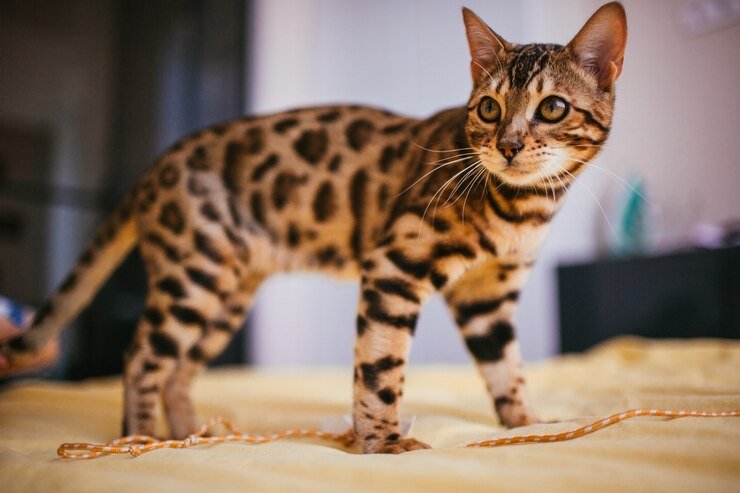
For a lot of cat owners, a tail is one of the most expressive parts of their pet. It swishes when a bird hops outside the window. It sticks straight up when they’re happy to see you at dinnertime. So when someone sees or hears about a cat’s tail “falling off,” the idea can be pretty startling.
Let’s get this out from the start: a cat’s tail won’t simply detach by itself or fall off like a lizard’s can. If it happens, it’s always because something has gone seriously wrong. Understanding why is important for anyone who cares about cats—because missing the signs can mean more pain or trouble for the animal.
The Most Common Reasons Cats Lose Their Tails
You don’t usually hear about a cat losing its tail out of the blue. It almost always links back to something physical or medical. Some causes are more obvious than others, so let’s break them down in ways that make sense—even if you’ve never seen a vet bill in your life.
Trauma and Injury: The Main Culprits
Physical trauma is the big one, especially if the cat roams around outside or lives in an active home. Mishaps happen a lot with doors, cars, or other animals. Cats are fast, but not always quick enough to dodge an accidental tail slam or a dog chomp.
Sometimes, if a tail gets pulled hard—maybe by a child who didn’t know better, or by being snagged on something while climbing—the nerves and blood vessels inside the tail can get stretched or snapped. This sort of “tail pull injury” can paralyze parts of the tail or kill off the tissue. When the tissue dies, it can’t recover. A vet will sometimes recommend removing part or all of the tail so the area can heal.
Then there’s something called a degloving injury, which sounds dramatic because, frankly, it is. This is when the outer layer of the tail is basically stripped away. You might see this in cats that have been hit by a car or tangled up in something rough. Once the inside of the tail is exposed, infection or death of the tissue becomes a real risk.
Another, less obvious reason is strangulation or constriction. Sometimes, cats get things wrapped around their tails—strings, hairbands, or even threads from toys. If these stay on, they slowly cut off circulation. The tip can get cold, turn black, and eventually die off if nobody sees what’s happening. You’d be amazed how often vets find these sneaky dangers, especially in kittens that get into everything.
Medical Causes: Beyond Accidents
While injuries grab headlines, medical issues can be just as serious. Infections are a big concern—especially from bites or scratches. Outdoor cats are at higher risk, but even inside-only cats can pick up wounds that fester. When infection takes hold, the body reacts by sealing off the damaged area. If the tissue gets infected and dies, it sometimes falls away, or vets may need to cut off the dead part to let the rest of the tail heal.
Frostbite is another reason people often don’t expect. When winter gets really cold, outdoor cats sometimes get frostbite on their ears, paws, or tails. The very end of the tail doesn’t have much blood flow, which makes it especially vulnerable. If the cells freeze and die, that part of the tail might break off days or weeks after the freeze.
Self-trauma is one most cat owners never see coming. Sometimes, due to stress, itchy skin, or allergies (especially flea allergies), cats will over-groom or nibble their own tails. When a cat chews and licks at a spot obsessively, it may wear the fur thin, break the skin, and even create an open wound. If this keeps going, the tissue can get infected or die, leading to tail loss.
Rarely, tumors can develop on the tail. Most are benign, but if a cancerous tumor takes hold, or even if it’s a non-cancerous but very aggressive growth, vets might need to surgically remove part of the tail in order to save the cat’s life or improve their comfort.
In tiny kittens, there’s a seldom-seen issue called neonatal isoerythrolysis. Basically, the mother’s immune system attacks the kitten’s red blood cells right after birth. This can cut off blood to the tail tip, leading it to die and eventually fall away. It sounds scary—and it is—but it’s quite rare.
How Does the Tail Actually Detach?
People sometimes imagine a cat’s tail dropping off as if someone unplugged it, but that’s not how it goes. The process is slower, and unfortunately, pretty uncomfortable for the animal. Here’s what actually happens.
Let’s say part of a cat’s tail was crushed in an accident or frozen so badly that the tissue dies. The body is smart enough to protect itself. It forms a “boundary” where the dead tissue meets living tissue, gradually walling off the nonviable part. Scar tissue starts forming internally. Eventually, if no infection sets in and things work as they should, the dead section may break off on its own. Sometimes, it literally “sloughs off”—meaning it naturally detaches after a while.
But here’s the big thing: this isn’t painless or safe, and is never something you want to leave to chance at home. The dead tail is an open invitation to bacteria. Infection can travel up to the spine or bloodstream. Also, the exposed area doesn’t heal well on its own. Tails only get a limited blood supply compared to other parts of a cat’s body, which means open wounds heal slower, and infection risk is higher.
That’s why most vets will recommend getting in there early, removing any dead or dying part surgically, and cleaning the wound deeply to save as much healthy tail as possible.
Living With a Cat Who Lost Its Tail
If you’ve ever met a cat missing part—or even all—of its tail, you probably saw it zip around just fine. Cats lose some balance without their tails but usually adapt quickly. You might see them wobble for a week or two, but most learn new tricks and get back to their routines. Their tails are important for balance and communication, but not absolutely essential for happiness.
For the cat, relief from pain and infection is the biggest priority. Owners can help by providing quiet spaces and avoiding rough play near the wound as it heals. If you see signs of infection—swelling, oozing, or a bad smell—a vet needs to see your cat again.
Some owners worry about how a tailless cat looks. Honestly, most cats don’t seem to care, and soon neither will you. It’s a small price to pay for a cat’s comfort and life.
Preventing Tail Injuries and Loss
Prevention starts with the basics: keep your cat indoors when possible, especially at night or in heavy traffic areas. Check for loose threads or strings around the house, and make sure nobody’s swinging doors shut without looking.
Flea control is also important. Most self-trauma starts with a simple itch, so regular flea treatments keep your cat from gnawing at its skin and tail. If your cat starts chasing or chewing its tail a lot, talk to your vet or a behavior specialist. Sometimes, stress, boredom, or allergies are to blame, and these can all be managed with attention and care.
Regular check-ins, petting, and play are as much about noticing health issues early as they are about bonding. If you ever notice your cat’s tail seeming limp, painful, cold, or discolored, don’t wait—get it checked.
If you’re interested in protecting your pet’s health or want tips on keeping your household safe for your cat, sites like My Business Nest offer guides and resources for pet-friendly living.
Wrapping Up
So, to answer the question: cats’ tails don’t fall off naturally. If you ever see or hear of it happening, something has gone wrong—either a physical injury, an infection, frostbite, a tumor, or a rare disorder in kittens.
Every cause points to one takeaway: if you notice a problem with your cat’s tail, act quickly. A vet should be your first call, not your last. Early help can save your cat a lot of pain and may preserve more of the tail.
Most cats bounce back from tail loss, just like they do from a scraped nose or a lost whisker. What they need is prompt, caring attention—and someone who notices when something’s wrong before it gets worse. That’s as true for tails as it is for any part of cat care.
Also Read: