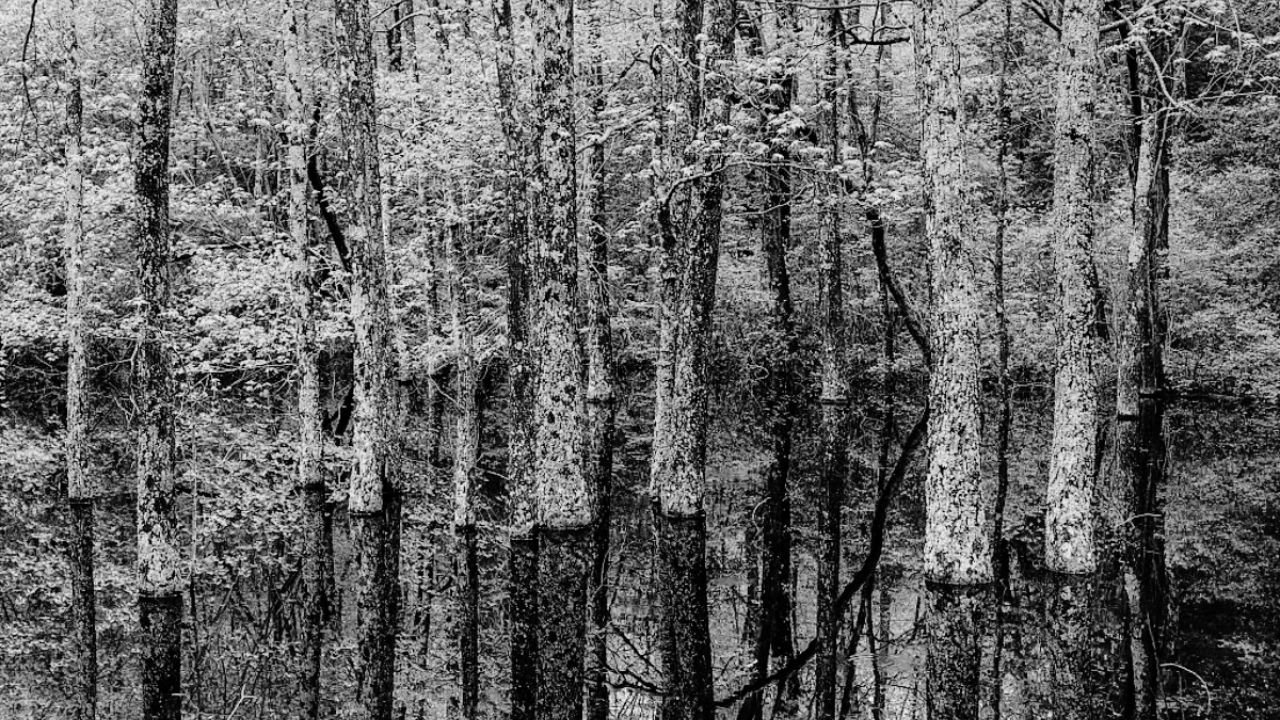
The Pine Barrens might sound mysterious if you’ve never been. They’re a huge, mostly forested region in southern New Jersey—about a million acres of pines, sandy trails, cranberry bogs, rivers, and blueberry fields. The area draws hikers, campers, and weekend explorers looking for peace, paddling, or a rustic break from city life.
You don’t need to be scared to visit, but the Pine Barrens aren’t risk-free. Like a lot of open wild places, what makes the region special is also tied up in the things that make it potentially dangerous. It’s worth being prepared before you go. Let’s walk through what people mean when they talk about the dangers of the Pine Barrens and how you can stay safe if you want to check them out.
Wildfire Risks: Fire as a Normal (and Dangerous) Part of Life
If you ask locals or forest managers about the biggest concern in the Pine Barrens, fire comes up first. Wildfire is just part of how this place works. What’s unusual, though, is how well the Pine Barrens are built for fire—and how quickly small burns can turn into something much bigger.
There’s a reason for that. The forests here are loaded with pitch pine, oaks, and shrubs that grow in sandy, acidic soil. It might look quiet, but the pine needles and dried leaves pile up fast. Because the soil is so acidic, earthworms and decomposing bugs don’t really thrive here. The result: a thick blanket of dead wood and needles that doesn’t break down quickly.
That means plenty of fuel for fire. And not just on the ground. The shrubs and low branches here tend to stack vertically, so a ground-level spark can leap up the trunks and become what’s called a “crown fire”—meaning, it races from treetop to treetop. Crown fires move fast, kicking up walls of smoke and flames. In some years, firefighters in the Pine Barrens have struggled with blazes that have jumped rivers and roads, and burned thousands of acres.
For the plants themselves, fire is normal. Pitch pines even have cones that open up in heat and scatter seeds after a burn. For people who live or travel near these woods, though, fire presents a real danger—not just a fascinating natural process.
Development and Changing Hazards
A few decades ago, the Pine Barrens were quieter and emptier. Today, the edge of the region is crowded with small towns, vacation cabins, and retirement communities. It’s not suburban, exactly—more like unplanned growth sitting on the forest’s doorstep.
When people build closer to wild spaces, the stakes go up in wildfire season. A fire that might once have burned quietly through the brush now can threaten homes, cut off roads, and force evacuations. There are places where houses back right up against the pines. That’s got forest experts concerned.
People like to talk about “the wildland-urban interface.” It’s just a fancy term for neighborhoods meeting the forest. In the Pine Barrens, that line is blurry, and it’s getting messier as more people move in. Some researchers call this a “design for disaster.” It’s not dramatic—it’s more a reminder that if you mix fast-burning woods and scattered homes, you create tricky situations for firefighting or for people trying to get out if a fire breaks.
At the same time, all this development means more power lines, more parked cars, more people lighting campfires. That’s a recipe for accidental ignitions. In dry years, a small spark can run wild in minutes.
Climate Change and Other Environmental Issues
Here’s something you might not see right away walking the trails, but it matters for the long-term safety of the Pine Barrens: climate change. The region has always gotten its share of hot, dry summers, but scientists say things are tipping in ways that could make fire even riskier.
For one, temperatures are creeping upward. Warmer summers dry out the leaf litter even faster. Modeling predicts that, depending on how things go in the coming years, fire risk in the Pine Barrens could go up by 10-20%. That doesn’t mean it’s going up every year, but conditions keep nudging in that direction.
Add to that all the other ways humans have changed this forest over the last century. Logging, cranberry farming, water impoundment, and mining have each pushed the Pine Barrens away from its wild past. Even recreation—ATVs, bikes, and informal trails—can break up habitat and leave the woods a little more vulnerable to invasion by non-native plants, or speed up the drying of the soil in some spots.
As fire patterns change, the normal cycle of burns and regrowth is altered. Before Europeans settled in New Jersey, the Pinelands burned more regularly, usually with smaller, low-burning fires caused by lightning. Now, with more development and different land use, those natural cycles are interrupted, and big, intense fires can sometimes replace many smaller ones.
Prescribed Burning: Fighting Fire With Fire
Wildfires are clearly a danger, but what’s the approach to keep big burns under control? Around here—and in other parts of the U.S.—the answer is prescribed burning. In plain English, this means teams of trained fire managers intentionally set small, controlled fires in areas where flammable material has built up.
At first, prescribed burns might seem weird. Why light fires to stop fires? But it works. Controlled burns clear out the thick layers of dead pine needles, leaves, and twigs. By doing this every few years—usually every three to five—it keeps the fuel load lower and breaks up the links between the ground and the canopy. If a wildfire does start, it has less stuff to burn, so it’s more likely to stay manageable, and less likely to turn into those dangerous crown fires.
Prescribed burns aren’t perfect, and they need to be carefully managed, with close attention to weather and smoke. But experts say this is the most effective way to protect both the Pine Barrens’ ecology and the communities nearby. If you’re out on a spring hike in the region and catch a smoky whiff in the air, it might just be a prescribed burn in progress.
Why the Pine Barrens Still Matter—And What to Know If You Visit
Even with wildfire danger in the news, the Pine Barrens are still considered some of the best-preserved open space left in the eastern United States. A lot of that is because the soils here are poor for farming—too sandy and acidic for easy crops. That’s kept huge subdivisions and strip malls away and let nature hang onto its place.
For nature lovers, paddlers, and hikers, the Pine Barrens offer quiet woods, rare orchids, birds you’ll find nowhere else, and some of the cleanest rivers in the region. And if you’re into local legends—yes, the Jersey Devil stories get their share of telling around campfires.
If all this talk of fire risk gives you pause, don’t be put off. Most visits to the Pine Barrens are low-key and safe. The dangers are very real, especially if you’re living right at the forest’s edge, but with a little preparation, a trip here is just as safe as a visit to any big state park.
Here’s what regular visitors and locals suggest:
– Check for fire bans and weather alerts before you visit, especially in spring and summer. Rangers will post signage when risk is high.
– Stay on marked roads and trails. This protects rare plants and keeps you out of spots where getting lost is a risk.
– Be careful with cooking fires and cigarettes. Even a small spark can ignite dry litter quickly here.
– Have an updated map if you’re planning to hike deep in the woods. Cell signals can be unreliable in some stretches.
– If conditions are dry and you’re visiting during prescribed burn season, be prepared for some closures or detours.
For folks interested in the business or real estate side, the Pine Barrens represent a region where environmental concerns and development interests may collide. Many new residents find the rural feel attractive but are surprised by strict limitations on building and how wildfire management can affect home insurance and infrastructure. If you’re curious about smart approaches to sustainable living in places like this, there are helpful resources at sites like mybusinessnest.com.
Looking Ahead: The Pine Barrens in 2024 and Beyond
The Pine Barrens aren’t dangerous in the way a city at midnight might be—but fire, and the risks that come with it, are a normal part of life here. The real challenge is balancing the natural rhythms of this ecosystem with the needs of communities and the increasing threat of fire that comes from climate change and growing development.
The best bet for anyone heading out to these woods is the old advice: do your homework, respect the land, and prepare for what’s possible, not just what’s probable. For most, the only surprise you’ll have is just how quiet and wild it still feels—just a little outside the city.
Fire seasons will keep coming, so will prescribed burns and the occasional news story about a big blaze. For now, the Pine Barrens remains a unique patch of woods where old and new dangers shape daily reality, but with smart planning, both residents and visitors can keep the risks low and the adventure high.
Also Read: