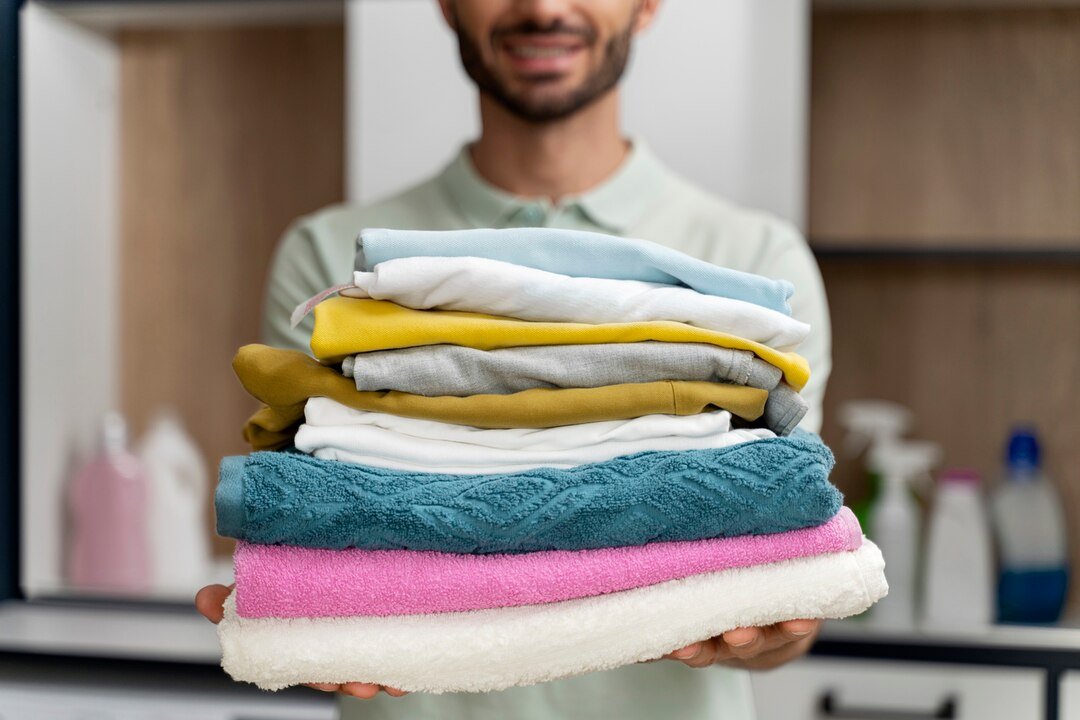
We’ve all wondered at least once—does Goodwill wash the clothes before putting them out for sale? It’s a simple question, but there’s a lot of confusion out there. You might see videos online claiming the staff run big commercial washers in the back. Or maybe you’ve heard from friends that donated items go through some kind of cleaning system.
But when you look into Goodwill’s actual process, the answer is much more straightforward. Goodwill doesn’t wash the clothes it sells. If you’ve picked up a shirt or pair of jeans there before, this probably isn’t a surprise. But there’s more to the story, especially about how they decide what makes it to the sales floor, and what you as a shopper or donor should know.
Understanding Goodwill’s Mission and Operations
Let’s start here. Goodwill is a non-profit with stores in almost every state. The whole idea is to help people find jobs and support training programs—funded mostly by selling donated items, including clothes. Their business works on high volume and efficiency. Donations keep the engine running.
So, when you see racks packed with everything from old concert tees to neat work pants, remember: every piece came from someone’s closet—and arrived almost exactly as donated.
How Goodwill Handles Donated Clothes
When donations arrive at a Goodwill drop-off center, the real work starts. Staff and sometimes volunteers sort everything by type, quality, and resale value. They don’t just throw all the bags into one pile. They’ll go through and check each bag and box pretty closely.
During sorting, anything that’s stained, visibly dirty, soaking wet, or not fit for resale gets tossed out. These items might get recycled, baled for industrial use, or simply landfilled. They don’t make it to the sales floor. The sorting staff is trained to look for damage, strong odors, or things that just wouldn’t sell.
If you’ve ever donated something and then noticed it never showed up on the racks, it likely didn’t pass this test. But if it looks clean and wearable, it moves on to be priced, tagged, and placed on the shelves.
Does Goodwill Wash The Clothes At Any Point? The Short Answer: No
This sounds almost too simple, but it’s true. Goodwill doesn’t operate giant washing machines in the back room. They don’t steam, dry clean, or sanitize clothing before it hits the sales floor. Once the sorting process is done, the clothes are hung up or folded to be sold as-is.
You can find some videos online, or even blogs, talking about Goodwill’s “commercial laundering process.” But statements from Goodwill themselves, along with people who’ve worked there, make it clear—there’s no mass cleaning of clothes. There just isn’t the time, budget, or staff to handle that kind of operation across all their stores.
The same is true for other non-clothing donations—shoes, hats, bed linens, even housewares. They get inspected and sorted, sure, but not washed, scrubbed, or wiped down.
Why Clothes Go Straight from Donor to Rack
There are a couple reasons for this process. The first is logistics. Goodwill stores get thousands of donated items every week. Washing or deep cleaning each item would demand a fleet of commercial washers, gallons of detergent, lots of staff hours, and space most locations just don’t have. Think about the time and cost.
Then there’s the mission. The goal is to process donations quickly so more items make it to the floor, which translates into funding for job programs. Slowing down every item for cleaning would put a big dent in their ability to help people.
Finally, there’s a legal element. Goodwill is very transparent about this policy on their websites and at donation centers. They ask donors to bring in only clean items because they will not be cleaning them afterwards.
Debunking The Myths: No Surprise Laundering, No Secret Wash Room
You might read on Reddit or social media that some stores have a side area with washers, or that your clothes get cleaned and pressed. This just isn’t the case at any Goodwill in the U.S. If you smell a whiff of detergent on an item, it’s because the person who donated it washed it first.
Official statements always confirm: sorting is the main process, not laundering. Most stores are up front that donated items are sold in the condition they arrive.
It’s easy for rumors to start because some small thrift or consignment shops do clean pieces, especially higher-end stuff. But Goodwill, dealing with much higher volumes, simply does not.
Best Practices For Donors: The Golden Rule
So what if you’re preparing a pile of old sweaters or jeans for donation? The official guidelines—and just decent etiquette—say you should wash or clean everything you drop off. Goodwill even mentions this in their donation policy: “Please donate items that are clean and ready to resell.”
That doesn’t mean you need to dry clean or iron your donations. But no one wants to open a donation bag and find stale gym socks or a rain-soaked jacket.
You save time for Goodwill’s staff, increase the odds your stuff will be resold, and make life a little better for the person who buys it next. Clean items also help with first impressions—remember, what you donate reflects on both you and your community.
Why It Matters: Clean Donations Benefit Everyone
Washing before you donate isn’t just being polite. It really helps Goodwill staff work faster and more efficiently. When everything coming in is already washed, sorted clothes can hit the sales floor much more quickly.
Many stores rely on volunteers, too, so clean and folded donations make their work that much smoother. It’s also better for shoppers. Clean clothing is more likely to be bought in the first place.
So next time you’re packing up your closet, give those jeans and shirts a quick spin through the wash. Throw out anything with stains or severe wear, so it doesn’t get sent straight to the recycling pile.
If You’re Shopping at Goodwill: Should You Wash Your Finds?
What about you, the shopper? Every experienced thrifter will tell you: wash anything you buy from Goodwill before you wear it. This goes for shirts, pants, outerwear, and especially for stuff from the outlet “bins,” where items are scooped up in bulk.
Clothes can pick up odors or dust from storage or transport. Even wearable-looking items might have pet dander, pollen, or skin cells stuck in the fabric. There’s always a chance of allergens or irritants.
It’s not about Goodwill being dirty—it’s just the nature of secondhand goods. You don’t know where that jacket sat before it was dropped off, or how long it’s been folded inside a donation barrel.
So, toss your new treasure in the wash—ideally on hot, if the fabric allows. After that, it’s yours to style however you want. A simple routine, but it helps a lot.
Allergens, Odors, And Surprises: Why Washing Is Smart
Allergies from other people’s pets or detergent are rare, but they happen. Maybe the donor had cats, or a favorite perfume, and you won’t pick up that smell until the fabric gets warm. Some thrifted items might pick up scents from storage, warehouses, or even passing trucks.
There are also ordinary risks like dust mites or pollen, although these don’t last long. Still, no one wants to put on a shirt that’s packed away an unknown history.
Washing before wear isn’t just peace of mind—it’s sensible, and it can also help extend the life of your thrift store finds.
So, What’s Goodwill Really Doing With Your Clothes?
The bottom line is simple. Goodwill sorts through donations, keeps what looks clean and in good shape, and puts those items out for sale. Nothing gets put through a washer, dryer, or cleaning service.
If you see a shirt that looks pressed, or jeans that smell like detergent, you can thank the original donor. If you see something that smells just a little like storage, that’s probably because it’s been sitting somewhere since it left the last owner’s closet.
And if you’re looking for advice—from longtime thrifters, staff, and the official policy—it’s this: wash anything you buy before you wear it, and clean anything you plan to donate.
Quick Reference: Goodwill’s Clothing Policy At A Glance
Here’s what’s actually happening behind the scenes at Goodwill thrift stores:
| Practice | Goodwill’s Policy |
|—————————-|—————————————————-|
| Washing donated clothes | No, clothes are not washed or sanitized |
| Sorting and discarding | Yes, soiled or wet items are discarded |
| Recommendation to shoppers | Wash before wearing |
They keep things moving, and trust both donors and buyers to do the washing on their end.
What’s The Takeaway For Goodwill Customers And Donors?
If you’re getting ready to donate, wash your items first. Bag or box them up so they stay clean on the way. Make sure there’s nothing wet, moldy, or heavily stained in the batch.
If you’re a regular Goodwill shopper, plan to wash what you buy before wearing it out. Make it a habit, whether you’re picking up a cozy hoodie or a pair of jeans. Most longtime thrifters already follow this rule—it’s simple, quick, and just part of the experience.
And if you’re ever curious about how the resale world works, there’s a lot more info at My Business Nest, with tips for both donating and shopping smart.
Goodwill isn’t covering up their process or hiding a massive laundry facility in the back. Their approach is all about efficiency, and serving as many people as possible with the assets they have. By washing what you donate (and what you buy), you help keep the system working for everyone.
So, next time you head to Goodwill, now you know what’s happening behind the curtain. The best experience—for both buyer and seller—starts with clothes that are clean, cared for, and ready for a new life. That makes each trip feel more rewarding, no matter which side of the counter you’re on.
Also Read: