Drunk Elephant went from a buzzworthy skincare favorite to a frequent topic in beauty drama feeds—pretty fast. Most people first heard about the brand for its neat packaging, simple “clean” formulas, and wild growth online. But over time, Drunk Elephant picked up a list of controversies, many self-made, that has turned former fans into outspoken critics.
If you’re curious about why people online seem divided about this skincare line, here’s a straight look at what happened.
Success Came Fast—Then the Backlash Started
Drunk Elephant started out practically everywhere in the mid-2010s. If you scrolled through Instagram, a bottle or two almost always popped up in someone’s skincare selfie or shelfie. The idea? A brand that left out “suspicious” ingredients, used bright colors, and—at first—felt pretty open and fun.
For a little while, all this buzz turned into devoted fans. Then things started to shift.
Influencer Relations: Burnt Bridges, Lost Allies
A lot of beauty brands rely on relationships with influencers and regular customers who spread the word. Drunk Elephant had some of the earliest and most powerful ones, thanks to creators who praised their formulas and racked up sales in the millions.
But the relationship soured over time. Skincare influencer Hyram Yarbro (who became huge on YouTube and TikTok) publicly cut ties with Drunk Elephant, saying the company was flat-out disrespectful to people who helped them grow. Hyram isn’t the only one—lots of content creators say they had unpleasant or cold experiences after giving feedback the brand didn’t like.
Stories began to circulate across Twitter and Instagram. Someone would criticize a Drunk Elephant product or share a bad experience. Sometimes, fans noticed that the brand itself, or its reps, replied with curt or defensive messages. For a company that built itself on community and conversation, this just made things worse.
Social Media Strategy: Ingredient Fears and “Clean Beauty” Battles
Here’s where Drunk Elephant leaned hard into something beauty brands had started to do: play up the idea that some ingredients were “evil” or “toxic.” The company put what it called the “Suspicious 6” on blast—a list of things like essential oils and certain silicones, casting their products as safer alternatives.
This might sound familiar if you’ve paid attention to “clean beauty” marketing lately. The problem is, a lot of scientists and dermatologists say that some of those “scary” ingredients aren’t actually all that bad, and the hype just creates confusion.
For many shoppers, this started to look like classic “fear-mongering”—using loaded messaging that makes people feel unsafe unless they stick with your stuff. Critics (including some former fans) called out Drunk Elephant for pushing overly dramatic warnings, especially because smaller, similar brands avoided painting competitors as outright dangerous.
Kid-Friendly Packaging—or Targeting the Wrong Crowd?
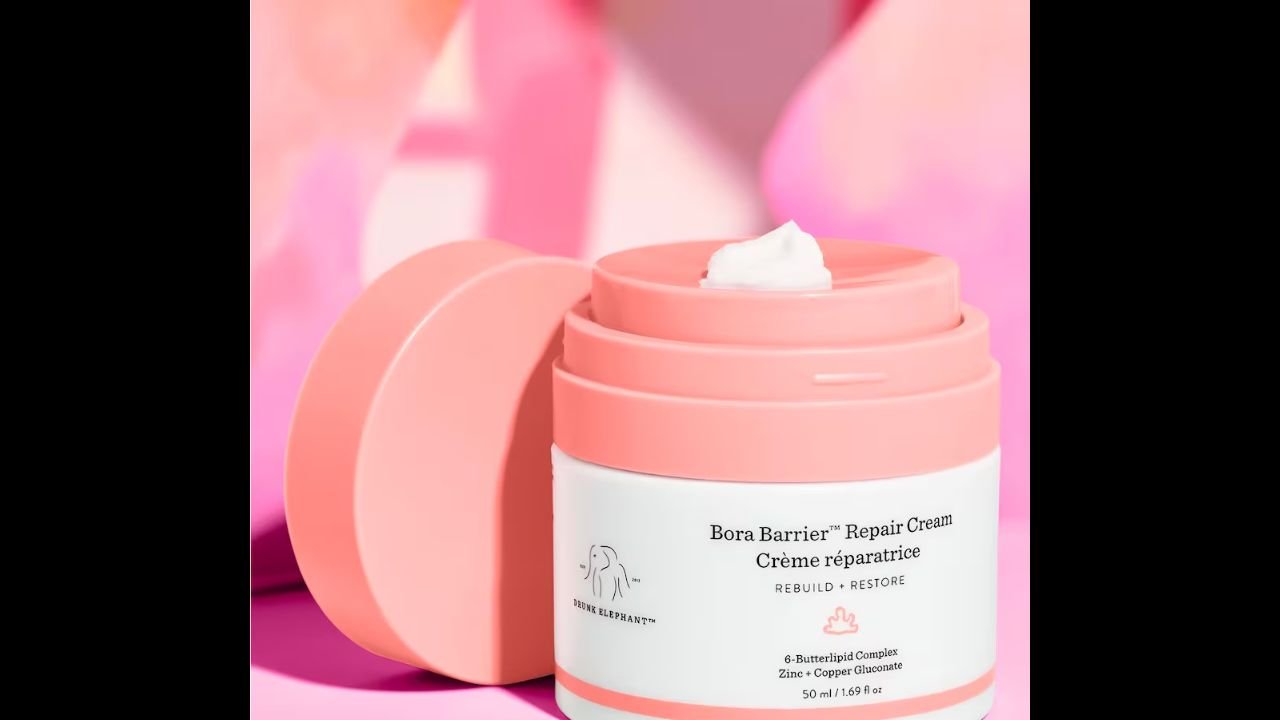
Another big debate? The branding. Drunk Elephant’s bottles and tubes are hard to miss, with bright pinks, oranges, and neon green—almost like a toy. Some adult shoppers loved the playful look. But around 2020 and 2021, the brand blew up on TikTok… among very young users.
Pretty soon, people started to ask whether these colorful products were basically being pitched to tweens and teens, most of whom have healthy skin and little reason to use hardcore actives like acids or retinol. Videos of 10-year-olds doing “morning routines” with Drunk Elephant started trending, and dermatologists stepped in to warn that these formulas probably weren’t suitable for kids.
It felt, to a lot of parents and skin pros, like Drunk Elephant was walking a fine line: making “must-have” items for people too young to need them.
Feuds and Fake Accounts: Messy Industry Drama
Here’s where things got messy. Competition in the skincare market can get fierce. With Drunk Elephant, rivals like Glossier and The Ordinary found themselves directly called out on social channels. The brand accused others (like Glossier) of copying packaging.
Worse, rumors spread that Drunk Elephant’s team had created fake consumer profiles to trash competitors online—either by leaving bad reviews or picking fights in comment sections. Some usernames traced back to similar email addresses, fueling suspicion.
Drunk Elephant also sometimes waded directly into drama on its main social accounts, responding to criticism or industry trends in a way that often felt unprofessional or, at the very least, unnecessary.
Legal and Ethical Questions Around Originality
You can’t talk about the Drunk Elephant controversy without mentioning some legal and ethical hang-ups. The lawsuits and disputes aren’t always public record. Still, several blogs and beauty insiders alleged that Drunk Elephant’s founder took inspiration—to put it nicely—from a Malaysian skincare product with a very similar name and hero ingredient list.
No one proved out-and-out plagiarism, but the story stuck around, raising questions about whether Drunk Elephant was truly unique, or just a clever repackaging of something that already existed abroad.
Add to that whispers of legal threats and disputes over ingredient claims, and you get a sense of why the shine faded.
Adverse Skin Reactions and the Safety Debate
If you type “Drunk Elephant reaction” into a search bar, you get a pile of stories, blog posts, and videos. Some customers shared photos of breakouts, redness, or rashes that showed up after using the brand’s signature “clean” formulas.
Everyone’s skin is different, so a negative reaction doesn’t always mean a product is at fault. Still, multiple reports got people wondering if the brand’s simple formulas were too harsh or active for sensitive types—especially because Drunk Elephant marketed itself as better for everyone.
This debate fed into the growing argument about “clean beauty” overall: are products with fewer synthetic ingredients actually safer, or just marketed as such?
Loss of Reputation and Trust
Put all these issues together, and something pretty clear starts to emerge: Drunk Elephant doesn’t hold the goodwill it once did. Where social media used to hype every new launch, it’s now more common to see skeptical comments, memes, or people sharing why they’ve stopped using the brand.
Influencers who helped build Drunk Elephant’s success have moved on, sometimes throwing shade in stories or on YouTube. Shoppers say they feel less heard or respected. Even people who once stocked up during every Sephora sale now hesitate.
Drunk Elephant’s decline in reputation wasn’t about just one mistake—it was a slow drip of things: bad influencer relationships, defensive online replies, and a sense that the shine had worn away.
What Other Brands Can Learn
Drunk Elephant’s story is a warning and a reminder. If you build your brand on honesty and openness, people expect you to walk the walk when things get sticky. The internet moves fast. Communities can push you to the top, but they’re just as quick to call out what feels fake or unfair.
Mishandling criticism, especially in a public place, never reads well. And in an age when young users can turn a product viral overnight, targeting (directly or indirectly) the wrong demographic creates challenges you may not see coming.
For anyone launching a brand or working in PR, watching Drunk Elephant is like a business case study shared in real time. The mess-ups weren’t just about social media—they touched everything, from customer trust to actual health concerns.
Summary Table: Drunk Elephant Controversy Highlights
| Controversy Area | Description & Impact |
|————————|——————————————————|
| Influencer Treatment | Poor relations with influencers and negative feedback |
| Social Media Tactics | Ingredient fear-mongering, public spats, and fake accounts |
| Youth Marketing | Accused of inappropriately targeting children/tweens |
| Legal/Ethical Issues | Alleged lawsuits, questionable originality |
| Product Complaints | Reports of skin reactions and sensitivity |
Where Things Stand Now: Reputation and Consumer Views
These days, Drunk Elephant’s bottles still line beauty store shelves. If you check the brand’s social media, they’re still pushing out new products and claiming a “clean” mission. But for many, the controversy lingers. Younger shoppers are moving on to the next trend, and a chunk of former fans just aren’t as loyal anymore.
If you’re interested in how brands handle backlash or want to avoid similar mistakes, it helps to follow honest business news and customer reviews. For a closer look at stories like this or tips on how to keep your small business out of similar trouble, you might want to check out resources at MyBusinessNest.
Drunk Elephant’s story isn’t finished. But right now, it stands out as a brand that climbed high on hype and “clean” marketing, then struggled to keep trust when cracks started to show. It’s a reminder: success online can be loud—and losing consumer confidence can be even louder.
Also Read: