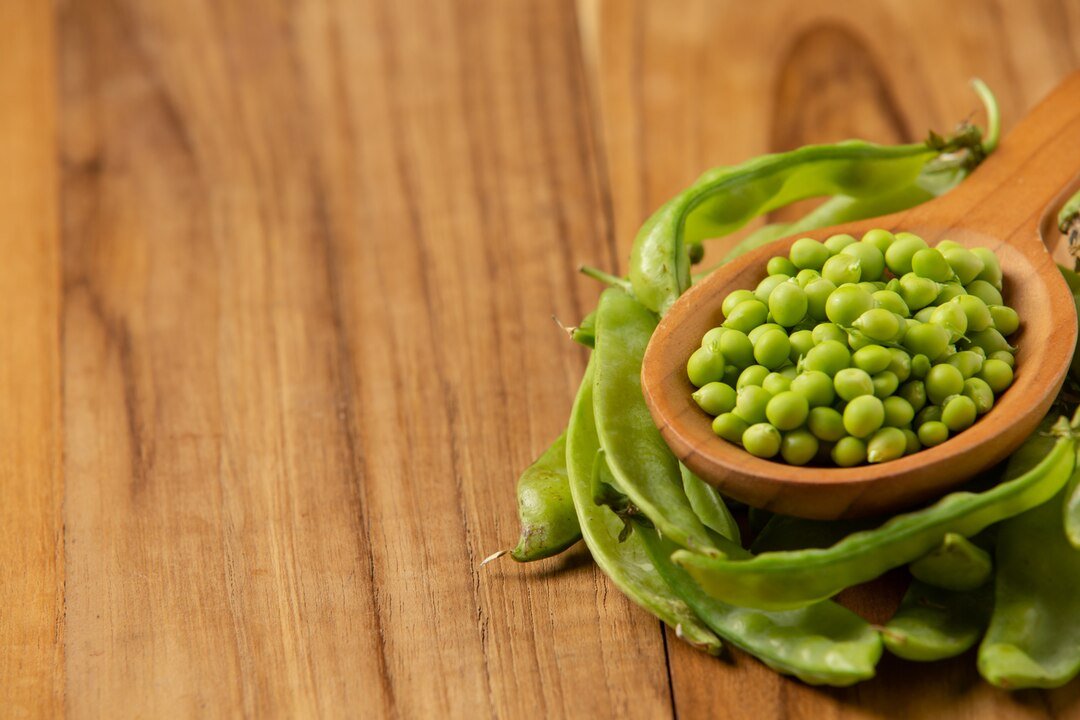
Raising backyard chickens has gotten more popular lately, and so have all the questions about what they can eat. Most chicken owners want their flock to be healthy and productive. Feeding chickens scraps or leftovers from your kitchen seems both practical and fun—but not every human food is safe for birds. Green beans are a common vegetable. But should you feed them to chickens? Here’s what experts and experienced keepers want you to know.
Cooked Green Beans: A Safe Way to Share
Let’s start with the easy answer: cooked green beans are generally safe for chickens. If you have some leftover green beans from dinner, you can offer them to your flock. There’s a reason for this. Cooking destroys a natural protein, called lectin, found in many raw beans—including green beans.
Lectins help protect plants from bugs. But in chickens, these same proteins can cause upset stomach, diarrhea, or worse if eaten in big amounts. When you steam, boil, or roast green beans, the heat breaks down most of those harmful proteins. Your chickens can enjoy these beans without much risk—as long as they’re plain.
What does “plain” really mean? Well, you should leave out the salt, butter, sugar, or any strong seasonings. Chickens don’t process salty or oily foods the way we do. Extra seasonings and fats are more likely to make them sick than happy. Just simple, unseasoned beans are best.
Why Raw Green Beans Are Risky
Raw green beans feel healthy to us, but for a chicken, they’re a different story. Raw beans don’t just taste different—they contain higher levels of lectins, which, as mentioned, can make chickens sick. Chickens have pretty tough digestive systems, but they’re not magic.
A small peck on a dropped bean isn’t likely to cause disaster. But if you give them a handful of raw green beans regularly, you’re running a real risk. The lectins can irritate their stomach lining, mess with their digestion, or even hit their kidneys over time. The effects might not appear right away, either. Sometimes, you’ll only notice trouble after repeated feedings.
Some people ask if soaking the beans or blending them helps. Not really. Only proper cooking cuts lectin levels down enough to make green beans safer for birds. So if you want to share, stick to beans that have been thoroughly cooked, and toss the raw ones in the compost instead of the chicken yard.
What Do Green Beans Offer Nutritionally?
Okay, so you’re careful to only offer cooked green beans now and then. But what nutrients do your chickens actually get from them? Green beans pack a mild punch in the vitamin and mineral department. They include some vitamin C, vitamin K, a little vitamin A, and smaller amounts of fiber, protein, and potassium.
Those nutrients are great for humans and have some benefit for chickens too. They contribute to better immunity, healthy feathers, good digestion, and overall well-being. That said, most of the calories and nutrients your flock needs come from their main feed, not from snacks.
It’s also fair to mention that cooking green beans reduces some of their vitamins. Heat-sensitive vitamins like vitamin C and vitamin B1 (thiamin) tend to break down during boiling or steaming. So while you’re removing lectins, you’re also making the beans slightly less nutritious for your birds.
But chickens don’t need a ton of these nutrients from snacks. Think of cooked green beans as a fun, low-calorie treat—one that gives a little extra variety, texture, and color to their day.
How Much Green Bean Should You Feed?
If you’re eager to share kitchen scraps, it’s pretty tempting to toss out a pile of veggies at once. Resist the urge. Too many treats—including green beans—can throw off a chicken’s nutritional balance. Experts suggest keeping treats, including all non-feed foods, to around ten percent of your chickens’ overall diet.
One or two small handfuls of cooked, plain green beans is plenty for a small backyard flock. Try offering them no more than once or twice a week. This keeps the treat special and prevents them from loading up on veggies instead of their main feed, which is carefully balanced to give them everything they need.
Don’t forget, moderation is the key. Chickens love variety, but they also rely on consistency. Make sure most of what they eat is their formulated feed, not scraps. Too many veggies—no matter how healthy—can actually crowd out nutrients from their main meals.
Other Veggie Treats: What’s Safe and What’s Not?
If your chickens are begging for something more than just feed, you have plenty of other veggie options that are just as safe as green beans. Cooked carrots, broccoli, peas, zucchini, and cucumbers are all good choices. Most squashes go over well too. If you don’t mind a little mess, watermelon or cantaloupe rinds can be a hot-weather favorite.
Make sure to avoid onions, avocados, uncooked potatoes (especially green ones), and rhubarb. These can carry natural toxins that aren’t safe for chickens. As with green beans, always skip the salt, oil, or seasonings. Raw vegetables should be washed well and cut into small pieces—avoid anything that seems rotten or moldy.
A simple rule is: if you won’t eat it because it’s too old, don’t give it to your chickens either. Chickens are more adventurous than we are, but their digestive systems aren’t superheroes.
Chop up bigger veggies to prevent choking. Or, if you have bigger scraps, spread them around to encourage natural scratching and pecking. Chickens don’t mind working a little for a snack—they actually enjoy the search.
Extra Tips for Serving Chickens Safe Green Beans
Let’s say you’ve made a big pot of green beans for your dinner, and there’s a decent serving left. Wait until they cool fully before tossing them to your chickens. Hot food isn’t comfortable for their crops or mouths, and it can cause burns.
Spread the beans out on the ground or in a shallow pan. Chickens like to scratch around for food, so scattering treats is usually more entertaining for the flock. If you’re worried about mess or attracting pests, keep the treat pan in a part of the run that’s easy to clean up.
And don’t feel guilty if you need to toss the rest of your beans in the compost pile sometimes. It’s better to stick with smaller amounts and keep your chickens’ health top of mind.
Bigger Picture: Why A Varied Diet Matters for Chickens
Feeding chickens the same thing day after day can get boring for them—and for you. When you mix in occasional treats, like cooked green beans or other safe veggies, you stimulate their natural curiosity and let them sample new flavors and textures.
It’s kind of like giving a kid an extra side of fruit with lunch. They’ll still rely on the basics for most of their nutrition, but a little variety keeps things interesting. Chickens might show more activity, show off better-looking feathers, or just seem happier when snack time rolls around.
If you want to get more advice about keeping hens healthy and productive, you’ll find a lot of tips on My Business Nest about supplementing feeds and raising happy chickens.
Final Thoughts: Sticking With Safety and Common Sense
A lot of folks are surprised to hear that not all veggies are created equal for chickens. But once you know about lectins in raw green beans, it makes sense to cook them first. This doesn’t take extra effort if you’re already preparing green beans for your own meal. Just set a portion aside, don’t add salt or seasonings, let them cool, and share the plain beans with your flock.
At the end of the day, safe treats like cooked green beans are a low-cost way to give your backyard birds a bit more excitement. You get to reduce food waste and watch your chickens enjoy a change of pace—without risking their health.
Keep the portions small, mix up the types of treats you share, and lean on your chickens’ main feed for their day-to-day diet. If you ever notice your chickens acting strange or reluctant to eat after new snacks, pause and check what you offered them.
The bottom line: cooked green beans are safe in moderation, raw ones aren’t, and your chickens will stay healthiest on a balanced, mostly feed-based menu. Keep things simple and practical, and you’ll have a happy flock.
Also Read: